
Today, most dental patients know that the basic guideline is to visit a dentist at least twice per year. However, some patients with special concerns need to see their practitioner on a different schedule. This blog outlines the factors that help us set your preventive dentistry schedule and how your oral health can improve with regular visits.
Variables in Scheduling Routine Dental Visits
The Average Interval: Six Months
If you have healthy teeth and gums, we will most often recommend that you see us twice a year. This schedule applies to children as well, with pediatric visits starting as early as the first tooth erupts.
You May Need More Frequent Visits
Patients with the following circumstances will likely need to see us more often:
- Periodontal (Gum) Disease: Gum disease leads to a vulnerable smile. Your dentist will carefully monitor your condition and schedule any extra treatments you may need, including scaling and root planing.
- Vulnerability to Decay: Some individuals are more prone to tooth decay, particularly those with weak or compromised tooth enamel. Patients with dry mouth, airway issues, and sleep apnea may also experience more tooth decay.
- Dental Implants: Your dentist may want to see you more often at first to monitor your implants’ healing process and ensure a clean, healthy mouth.
- Orthodontic Issues: If you have crooked or crowded teeth, you may need to pay closer attention to your oral hygiene, as plaque and food can build up around them. We also provide clear aligner treatment, which can address these issues.
Benefits of Preventive and Diagnostic Dental Care
Keep Your Smile Brighter
A professional cleaning leaves you with a fresh, brilliant smile. In addition to removing plaque and calculus, your hygienist also polishes away minor tooth stains.
Treat Problems Quickly
Treating dental issues quickly is wise. Ideally, frequent dental visits catch problems before they can turn costly and severe. However, if you notice any changes or discomfort, call us to schedule an appointment promptly so we can address your situation.
Keep Dental Costs Lower
Getting dental care at an earlier stage is generally much less costly than waiting until the problem is severe. If your dentist has more lead time, they can restore your existing tooth rather than extracting and replacing it.
Protect Your Teeth for a Lifetime
The adage states to “only floss the teeth you want to keep,” and these words carry truth. If you maintain a regular dental visit schedule throughout your life, you will enjoy a healthy smile for many more years.
Frequently Asked Questions About Preventive Dentistry
What happens during a comprehensive dental exam?
Your dentist examines not only your teeth, but also your face, head, and neck. Your dentist will look for signs of potential problems and assess the strength of any restorations, such as crowns or bridges. We will also carefully check for signs of oral cancer. Patients who miss dental visits may be less likely to catch this disease in its treatable early stages.
What are the steps in a dental cleaning?
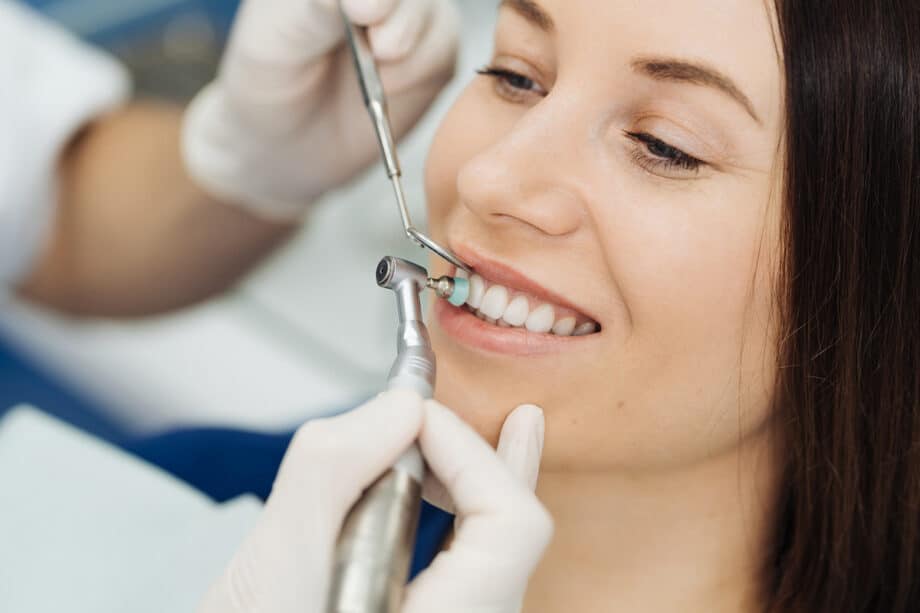
A dental cleaning is a routine procedure that refreshes your teeth and gums. Your hygienist will use an instrument called a scaler to remove all traces of plaque and tartar, reducing your chance of developing gum disease. They floss your teeth to check the contacts and remove any additional debris. They polish your teeth with a gritty polish that is gentle enough not to damage tooth enamel. Your teeth will feel smooth and healthy.
Why is fluoride important for a healthy smile?
Fluoride is a naturally occurring mineral that hardens tooth enamel. It is safe for all ages and is available in many forms, including varnish, gel, toothpaste, and rinses. Regular use of fluoride can significantly reduce your risk of developing tooth decay.
How can I prevent gum disease?
Brushing and flossing at home is the number one way to prevent gum disease. If you’re unsure how to proceed, ask your hygienist; they will give you expert guidance. Brush at least twice daily and floss once. If your gums are dark and puffy or if they bleed when you brush and floss, call us as soon as possible for a periodontal disease evaluation. Gingivitis, the earliest stage of gum disease, is reversible with prompt care.
At Godfrey Dentistry, we serve families in the Somersworth, NH area and beyond. We focus on prevention to help our patients preserve their oral health for a lifetime. If you need to schedule a visit, please contact us today!